Thomas Leygue, finding his place again
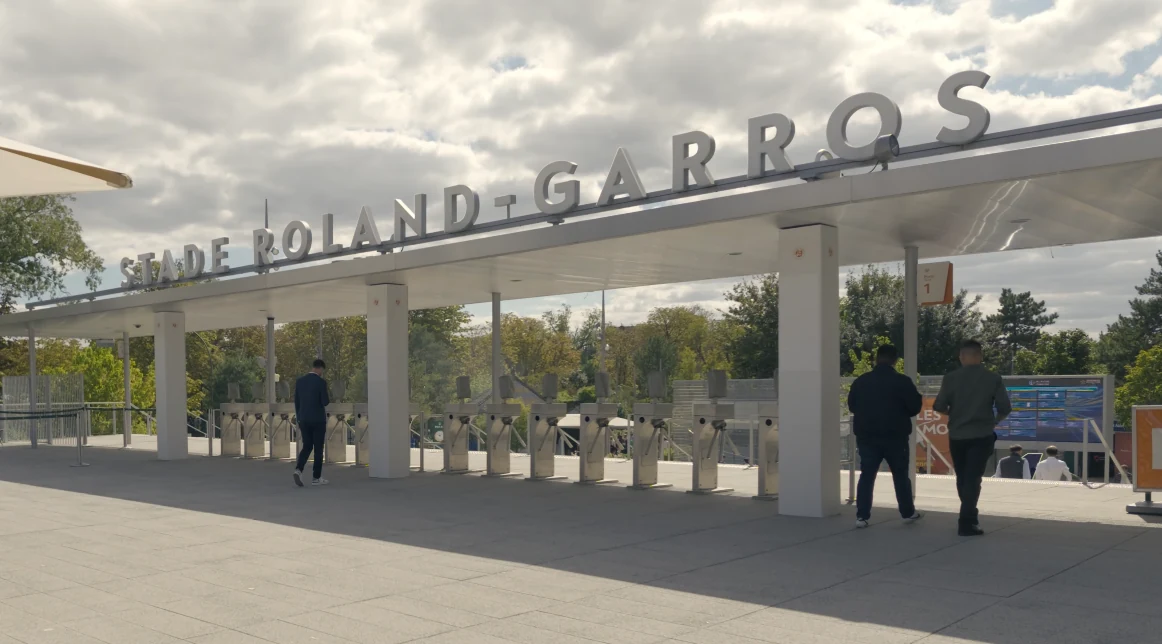
Roland-Garros provides an instantly recognisable setting. Yet Entre quatre vitres is chiefly concerned with how each person experiences the week. The same tournament can mean a long-awaited return, a missed opportunity or several demanding days of work.
Thomas Leygue’s story provides one of the main narrative threads. His Paris campaign becomes meaningful through what came before it: injury, rehabilitation and the time needed to recover his feel for the game.
The documentary brings out the gap between feeling ready in training and regaining confidence in competition. That distinction gives depth to his return. The sporting performance becomes easier to understand once part of the journey is known.
The documentary · All Access
Entre quatre vitres — All Access
The complete documentary about the 2026 Paris Major, available on the All Access YouTube channel.
Watch on YouTube ↗Alix Collombon, making room for disappointment
Alix Collombon’s testimony provides an essential contrast. She explains how a defeat at Roland-Garros remains difficult to process several days later. The venue that lifts one player can make another player’s elimination more painful.
This is a sound editorial choice: an athlete also exists through the way she reflects on a disappointing performance. Her words explain her attachment to the tournament without reducing it to enthusiasm. The narrative retains those different experiences.
The jobs that keep the week running
The sequence about ball kids usefully widens the perspective. It details work that spectators see constantly but rarely understand: selection, concentration and the differences between tennis and padel.
Robin Haziza offers another view of professional life. His contribution covers private partners, season costs and the different ways a player is presented to brands. The narrative then follows his move into television commentary.
These passages make the relationship between performance, funding and media exposure tangible. They give the documentary an interest extending beyond memories of the matches.
A proximity visible in the images
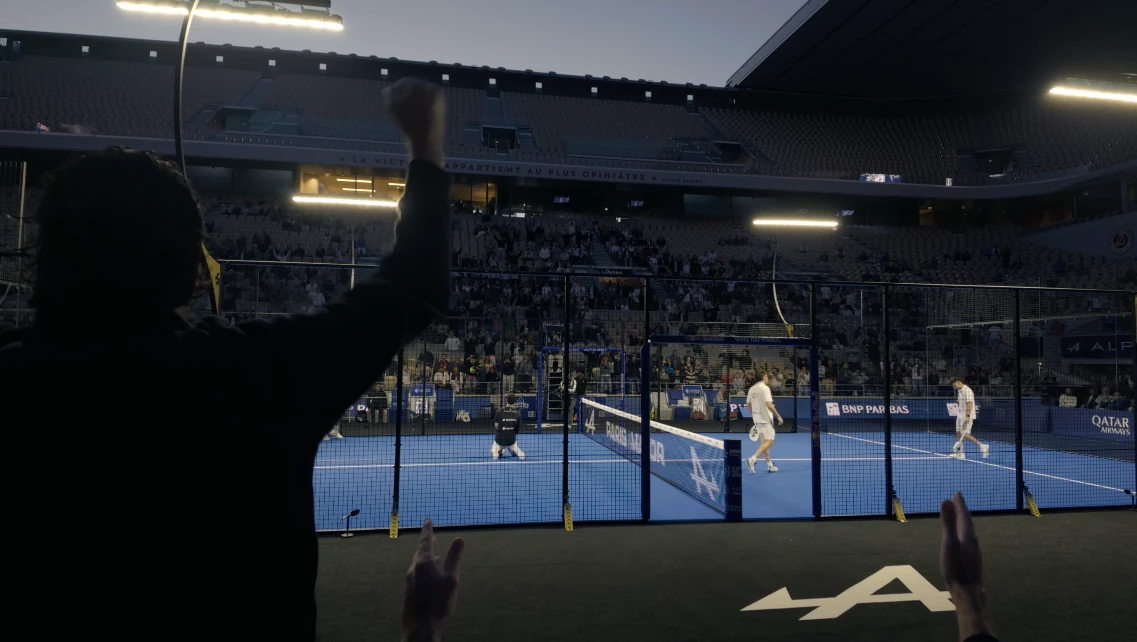
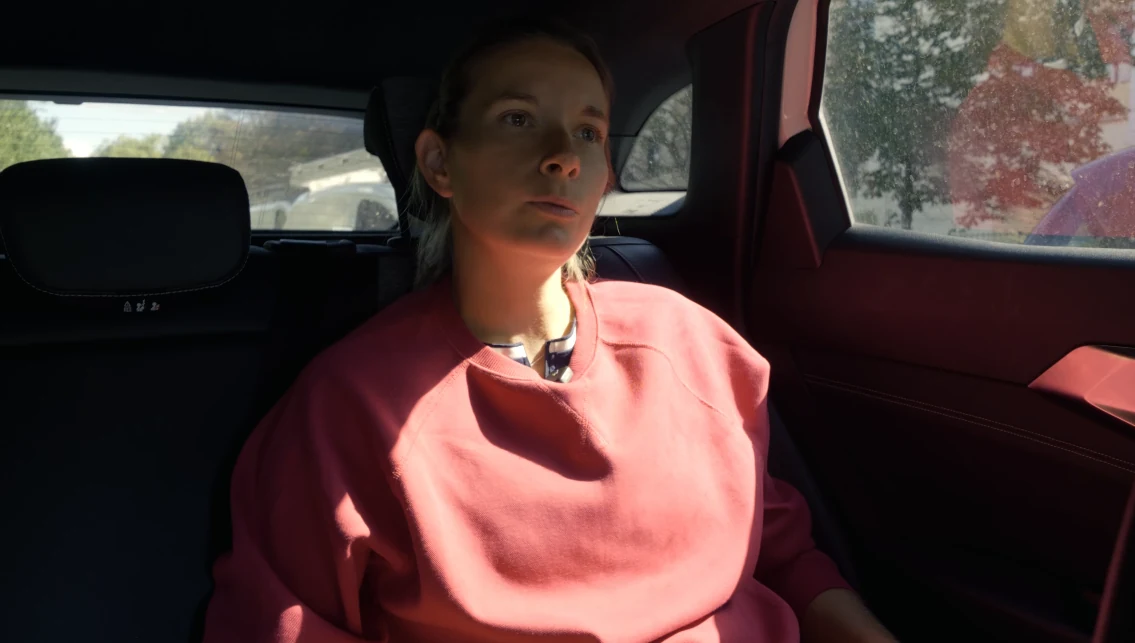
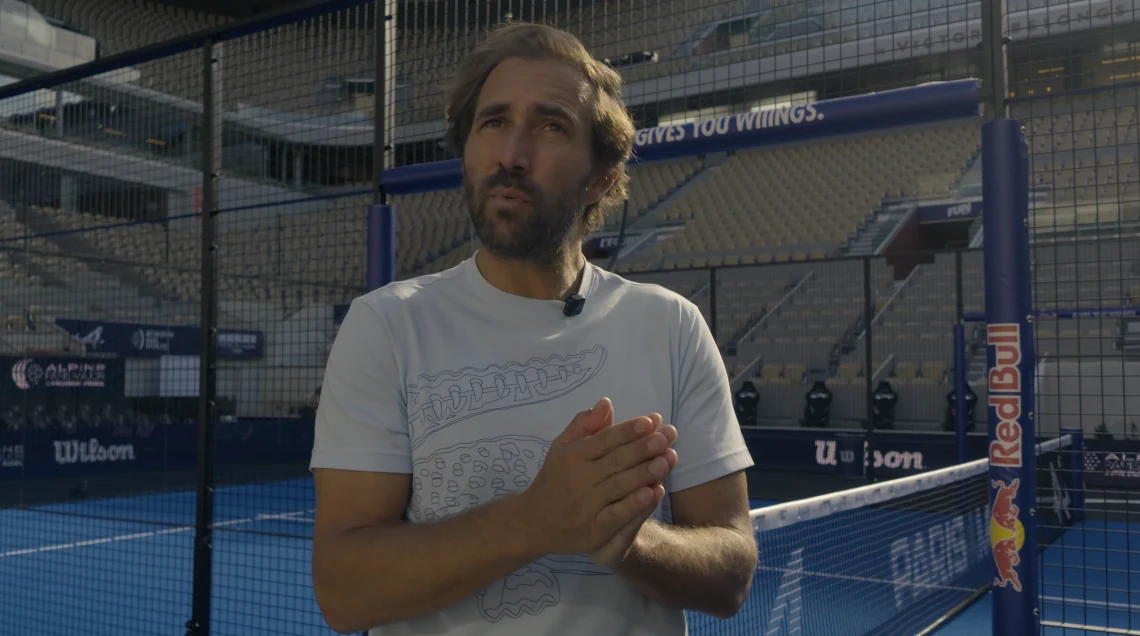
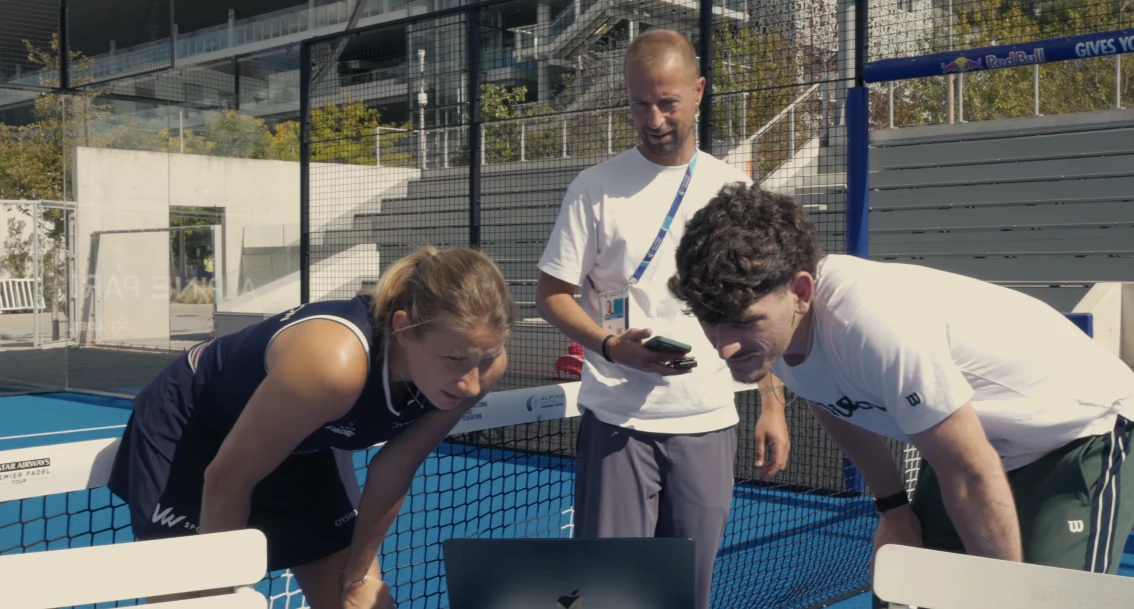
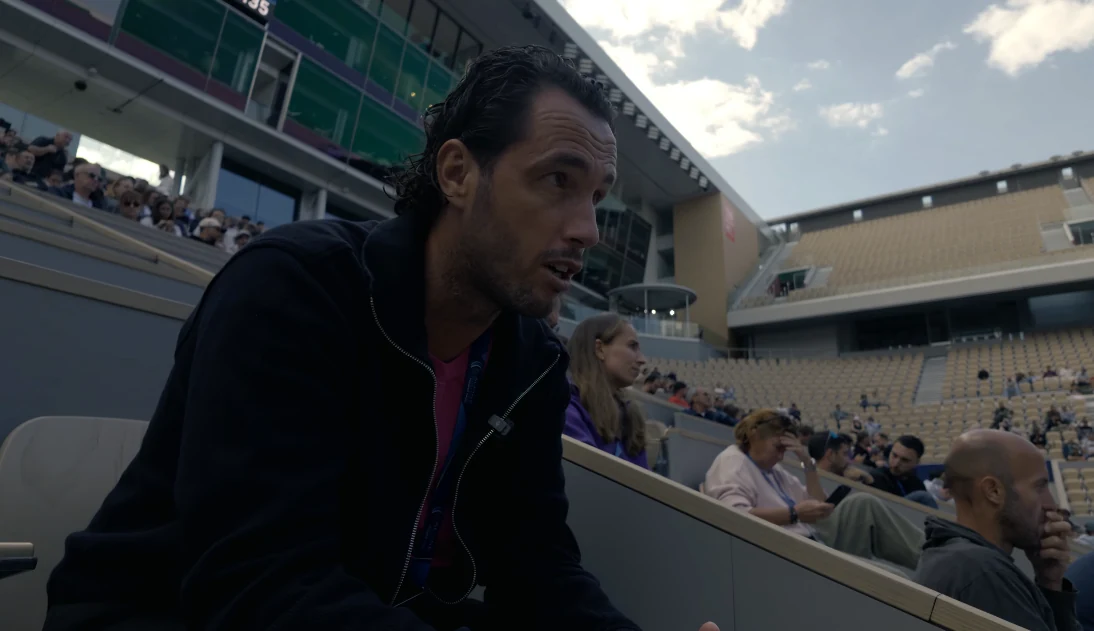
The frames accompanying this article show different situations: an interview beside a court, a conversation in a car, the stands and stadium corridors. The range of settings gives the people in the story a tangible presence.
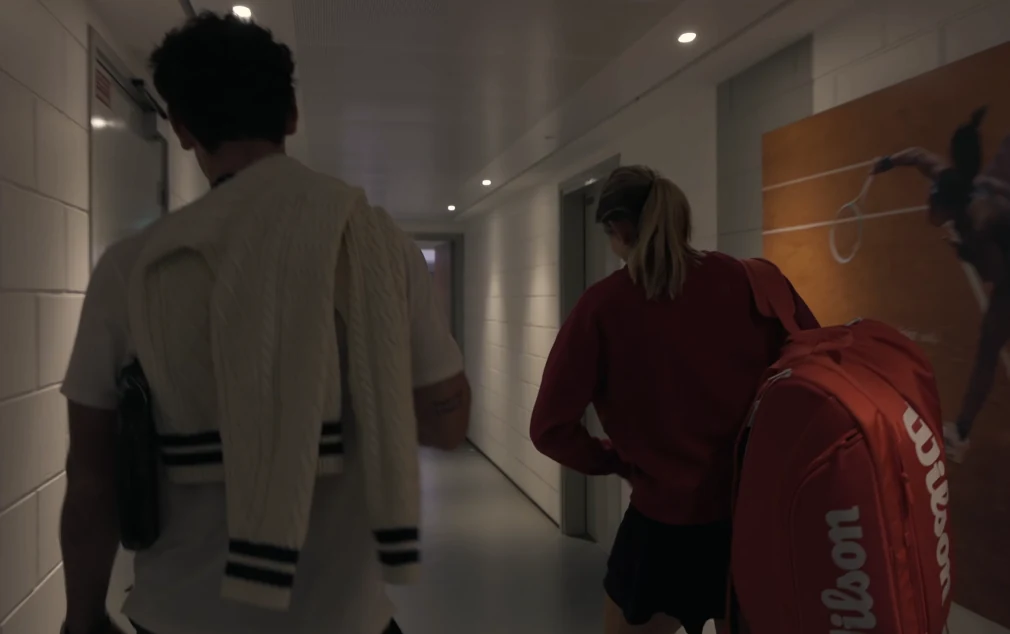
The image of players moving through Roland-Garros is particularly telling. They carry equipment, move between spaces and continue their day. Such ordinary moments offer a view of an event beyond the broadcast camera.
A narrative strengthened by changing perspectives
The construction moves from organisers to players, then to their surroundings and commentary. This gives the Paris Major several dimensions.
The trade-off comes with a 25-minute format: some stories could sustain more time. Injury recovery and the economics of a career open subjects extending well beyond this week. But that variety is also a useful introduction to several realities.
Why these films matter for French padel
French padel benefits from stories that remain available once a tournament ends. Results describe a performance; testimony helps audiences get to know the people behind it.
A viewer can connect with Thomas Leygue’s journey or understand Alix Collombon’s disappointment before following their matches regularly. Familiarity provides a reason to return and watch what happens next.
Documentaries also preserve a record of events and the jobs behind them. They recognise the work of people who play, support, organise and tell the story. Entre quatre vitres contributes by bringing those voices together and giving audiences time to listen. For MPI, this approach deserves support and further development.
The film and its team
Entre quatre vitres is an All Access film about the 2026 Alpine Paris Major, published on YouTube on 11 October 2026. Runtime: 25 minutes and 14 seconds.
Direction and production: All Access. Editorial direction: Téo Vieau. Production, cinematography and post-production: Vincent Calabrese. Photography: Aurélie Treccani.
Results describe a performance; testimony helps audiences get to know the people behind it.